Genuine Designer Furniture Hong Kong for Upscale Residences
How can a residence become a sumptuous refuge? The answer lies in the details—curated pieces that blend modern aesthetics with timeless craftsmanship. At Stockroom, we bring this vision to life, delivering top-tier collections that transform elegance.
Boasting outlets in Wan Chai and Mong Kok, Stockroom serves as the go-to for opulence. Discover 358+ handpicked products, purchasable in-shop or on our website. We provide VIP perks such as bespoke marble dining tables and tailored upholstered sleeper sofas to match your personal taste.
Living in Wan Chai means you get same-day delivery within three kilometers. Refine your abode with Coffee table Hong Kong, where each piece conveys luxury and top-tier quality.
Primary Conclusions
- Stockroom is recognized as a luxury hotspot, boasting Wan Chai and Mong Kok showrooms.
- Specialized lines marry current aesthetics with lasting craftsmanship.
- Explore in excess of 358 selected pieces both in-store and online.
- VIP options give you custom-finished marble tables and tailored upholstered sofa beds.
- Wan Chai patrons receive same-day delivery up to 3km away.
Introduction to Designer Furniture in Hong Kong
Hong Kong serves as a dynamic center for inventive interior design. Here, tradition meets modern flair, forging an exclusive realm for elegance and artistry. At Stockroom, we’ve been part of this journey for over 15 years, sourcing European-quality pieces that redefine elegance.
Our showrooms at Wan Chai and Mong Kok present an assorted selection of styles. Whether it’s Modern Vintage, Industrial Loft, or Scandinavian Minimalism, we cover all preferences. All pieces are designed accurately for refined looks and enduring quality.
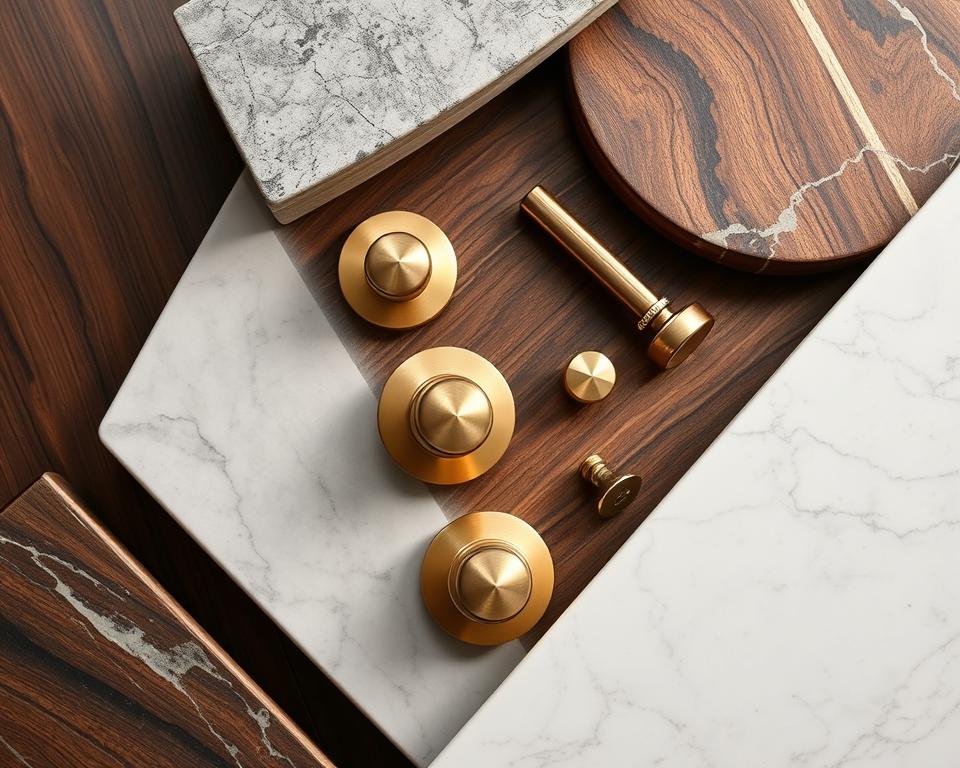
We’re pleased to present innovative materials including scratch-resistant ceramic surfaces. These upgrades merge utility and aesthetics, optimal for current homes. Whether refreshing or creating from zero, our offerings supply just-about-every possibility.
For anyone desiring custom flair, our VIP interior consulting is ready. Our design team cooperates with you to fashion spaces showcasing your singular vision. Come to Stockroom now and feel the craft of high-end interior design.
Top-Rated Luxury Dining Tables
Refine your dining setting with lavish tables merging chic and practicality. At Stockroom, find unique tables intended to create remarkable dining experiences. Our selection comprises the top-selling ten-seater solid oak table including butterfly expansion features for enhanced versatility. Ranging from $51,380 to $72,780, it represents a classic home investment.
For fans of modern flair, our extendable marble table shines. Priced from $42,380 and featuring an 18-month assurance, it offers stress-free confidence. Whether you’re catering or dining at home, these tables captivate.
Opting for circular or rectangular tables hinges on area and aesthetic preferences. Round tables imply warmth and work best in tight spaces. On the flip side, rectangular tables supply extra seating and classic appeal. Each form is offered to match different inclinations.
Maintaining your upscale table is straightforward but crucial. Use a soft cloth to clean solid wood surfaces, avoiding harsh chemicals. With marble tables, frequent sealing sustains their immaculate look. Following these pointers keeps your table a focal point over time.
Getting a superior table is effortless with our funding solutions. For purchases over $30,000 HKD, we offer flexible payment plans to suit your budget. Drop by Stockroom now to pick out the ideal dining table to enhance your home.
Polished Sofas for Your Living Room
Find the ideal balance of coziness and design in our handpicked sofa lineup. Should you desire a centerpiece or a handy piece, our sofas strive to uplift your living quarters.
Our Italian leather three-seater couch is highly popular. It features built-in USB charging ports, making it ideal for modern lifestyles. The minimalist shape and quality materials allow it to be a room’s focal point.
Animal lovers benefit from our stain-repellent upholstery that stands up to wear and wipes down easily. These fabrics maintain their original look even after years of use, making them a practical choice for busy households.
The designer furniture Hong Kong selection includes multi-functional sofa beds designed to save space. Equipped with memory foam mattresses, they provide exceptional comfort for guests. Great for limited-space environments, these units blend usefulness and fashion.
As for padding, pick duck down or high-performance foam. Feather padding grants a decadent, soft vibe, while resilient foam grants consistent reinforcement. Every option is constructed to retain shape through repeated use.
| Cushion Filling |
Features |
Best For |
| Duck Down |
Cushiony, indulgent sensation |
Those craving luxury seating |
| High-Resiliency Foam |
Firm support, durable |
Practical users |
Take advantage of our current floor model discounts, with savings of up to 40% off. These original pieces are available for a limited time, so don’t miss out on the opportunity to improve your lounge area.
Elegant Side Tables and Storage Cabinets
Upgrade your area with utilitarian yet chic items that nestle perfectly into your interior. Spanning ceramic top accent tables to industrial metal display cabinets, our lineup affords versatility and class for every room.
Nesting tables featuring marble detailing are a prime selection. These pieces feature hidden storage, making them perfect for smaller spaces. The minimalist aesthetic offers chicness while organizing your essentials.
Collectors will find our lockable showcase cabinets indispensable. These cabinets provide a secure and stylish way to showcase your prized possessions. Tempered-glass openings allow viewing without sacrificing protection.
Wine aficionados will treasure our humidity-adjusted consoles. Crafted to maintain wine in prime conditions, these buffets integrate practicality and modern flair. They prove to be a perfect accent in any dining or living space.
Wall-hung console tables that conserve space are perfect for smaller dwellings. These tables offer a practical solution without compromising on style. Their simple lines match various themes, making them highly adaptable.
Round out your design with our unified lounge sets. Offering a 15% discounted bundle, these collections present corresponding side tables and cabinets. This cohesive approach ensures your space feels harmonious and well-designed.
Whether pursuing an attention-grabber or a pragmatic piece, our inventory offers everything. Browse our chic side tables and cabinets now to enhance your home decor.
Top-Tier Lighting Options to Illuminate Your Home
Proper illumination matters in shaping tone and enriching your home’s feel. Stockroom provides top-quality fixtures blending fashion and practicality to refresh any area.
Our height-adjustable pendant lamps, ranging $6,080 to $8,180, create a standout feature in your dining or living room. These versatile pieces allow you to customize the height and angle, ensuring the perfect fit for your room.
To add a contemporary element, consider our Smart LED setups beginning at $21,180. These app-based units come with circadian rhythm functions, modulating illumination to replicate sun patterns. It improves well-being while aligning with your daily pattern.
Desiring a standout fixture? Our Murano glass chandeliers with adjustable dimmers lend luxury to any room. Expertly made, these chandeliers combine performance with captivating design.
Green LED lighting choices shine in our assortment. They could diminish your utility costs by up to forty percent, making them both eco-conscious and economical. Pair them with our outdoor-rated patio lighting to create a seamless transition between indoor and outdoor spaces.
Every transaction includes skilled installation guidance to ensure perfect placement. Be it a renovation or a new build, Stockroom provides ideal fixtures to brighten your environment.
Chic Chairs for Every Room
Seating transcends function—it mirrors both look and relaxation. Whether outfitting a warm living area or a chic workplace, the ideal chair changes your environment.
Our ergonomic workspace chairs echoing Herman Miller emphasize function and comfort. Selling for $10,480 to $13,880, they have adjustable lower-back comfort and ventilated mesh backs. Perfect for long workdays, these chairs combine functionality with modern design.
For a luxurious accent, view our bouclé living chairs along with ottomans. These units work great for establishing a serene corner in your house. Their gentle fabric and subdued shades allow them to fit into various decors.
Material choice is key for dining chairs. Wood supplies a traditional feel, and metal injects a sleek aspect. Conversely, acrylic chairs bring a smooth, minimalistic presence. All options offer distinct allure, so select depending on your design and purpose.
Outdoor zones require attention too. Our stackable chairs with UV barriers remain vivid through severe conditions. Easy to move yet sturdy, they suit balconies or deck spaces perfectly.
Grab our promo: Buy a piece, get another for 50% off on selected ranges. This short-lived offer helps you boost your home style cost-effectively.
- Ergonomic office chairs for productivity and comfort.
- Bouclé relaxation chairs accompanied by ottomans for a mellow corner.
- Dining seating in wooden, metallic, or acrylic styles to fit any decor.
- UV-protected stackable patio chairs for lasting use.
- BOGO 50% off promotion on select styles.
Dining Area Must-Haves
Crafting a dining environment that’s cozy and high-end begins with key necessities. From a flawless table to modern chairs, every component contributes to a cohesive and luxurious design.
Recommended tabletop heights are 28″–30″ to suit assorted chair kinds. Refer to this concise table for matching advice:
| Chair Type |
Ideal Table Height |
| Regular Dining Seats |
Twenty-eight to thirty inches |
| Bar-Height Stools |
Thirty-six to forty-two inches |
| Kitchen Counter Stools |
Twenty-four to twenty-six inches |
Match your table to stain-defying linens available in Stockroom’s accessory selection. These cloths combine function and fashion, simplifying cleaning as they infuse elegance into your table setting.
If you relish entertaining, glassware storage solutions in your china cabinet are key. They maintain your dishware and glassware neat and within reach, making each dining experience memorable.
Finish the ensemble with our ten-piece dinnerware sets offered in numerous styles. They contain all components to assemble a sleek, harmonious table arrangement for routine dinners or festive events.
Require design support? Our space planning specialists are on hand. Whether you have an open-concept area or a compact dining room, our experts will create a layout that maximizes both style and functionality.
From solid oak tabletops to harmonized chairs, Stockroom carries all products required to augment your dining room. Come by and see the best choices for turning your space around.
Cornerstone Luxury Materials
The foundation of luxury lies in the materials that shape it. Including FSC-verified oak to 304 stainless steel to Grade A marble, every material bestows individual character and long-lasting quality. Review the options that illustrate class and performance.
Speaking of wood, oak, walnut, and teak stand out for robustness and elegance. Below is a brief side-by-side:
| Wood Type |
Durability |
Best Use |
| Solid Oak |
Superior |
Dressers, buffets |
| Solid Walnut |
Balanced |
Small furnishings |
| Teak |
Exceptional |
Exterior furnishings |
Antibacterial copper alloy coatings revolutionize frequently used surfaces. They bring a stylish finish and hygiene benefits, fitting for cooking zones and restrooms.
Heat-shielding ceramic finishes are another advanced innovation to note. Ideal for countertops, they endure high heat and retain their immaculate finish. Thus they’re both useful and chic.
Wondering about the right material? Take part in our sample program. We deliver sample pieces for free, letting you inspect and compare before choosing.
If environmental impact matters, green options such as bamboo composite work wonderfully. They hold up well over time and are planet-friendly, matching today’s values.
From classic wood to innovative metal and ceramic finishes, the right materials can transform your home into a luxurious retreat. Check out our selection today to identify the ideal match for your surroundings.
Designer Furniture for Tight Spaces
Optimizing room in cozy homes needs clever, chic items. Stockroom focuses on items marrying practicality and refinement, ensuring no space is wasted.
Wall beds, starting at $34,280, are a game-changer for studio apartments. They collapse neatly, liberating precious floor area when not in use. Pair them with expandable coffee tables ($7,080-$7,680) for a versatile setup that adapts to your needs.
Multi-functional ottomans with hidden storage are perfect for keeping clutter at bay. They function as extra chairs, footstools, or mini tables, and keep your items neatly hidden.
For at-home professionals, desks with height options are critical. They nestle nicely in limited spaces, affording ergonomic comfort and aesthetic appeal. Thin-depth sofas below 32″ in width serve as another fine option for compact spots, granting ease without crowding.
Mirrored pieces ingeniously amplify sunlight and trick the eye into seeing more space. From storage cabinets to console tables, they deliver chic style and enlarged room effect.
Looking for layout advice? Our $1,800 HKD space planning package gives you professional direction to refine your setup. Be it equipping a studio or a snug flat, Stockroom delivers ideal answers to revamp your home.
Enduring Pieces for a Timeless Home
Creating a classic home is about blending tradition with modern elegance. Stockroom provides select items that withstand eras, making sure your home stays on-trend over time.
Our Chesterfield settees, costing $47,780, showcase ageless styling. With quilted leather and rolled armrests, they impart luxury to every living area. Pair them with Persian-inspired rugs ($64,880) for a cohesive look that exudes luxury.
History aficionados will marvel at our replica vintage writing desks. Every item includes hand-sculpted wooden accents, reflecting the artistry of a past time. These desks are not just functional; they’re works of art.
Classic cloth designs from European weavers impart an additional touch of grace to our range. Here is a side-by-side look at our top fabric prints:
| Pattern |
Origin |
Best Use |
| French Damask |
French Textiles |
Window treatments, upholstery |
| English Toile |
British Weavers |
Feature chairs, throw pillows |
| Brocade |
Italian Textiles |
Accent furniture |
Our restoration experts revive heirloom items so they keep looking stunning for years. If you have a cherished heirloom or a retro discovery, our specialists will restore it to glory.
Collectors will love our limited-number series.
Every item is one-of-a-kind, becoming a prized home accent.
Check out our classic pieces now to craft a home narrating your tale.
Budget-Friendly Luxury: Sale Finds
Scoring high-end Solid Oak Wood Furniture Hong Kong affordably is simpler than you imagine. Our exclusive sale items offer premium quality without the premium price. Whether you need a trendsetting sofa bed or a full dining collection, we’ve got it all.
Explore our ongoing offers: sofa beds begin at HK$8,980 and dining ensembles start from HK$7,980. These items merge style and useability, fitting for all residences.
Scoot to our 72-hour quick sale specials, revised weekly. These momentary markdowns display our highly demanded items at incomparable values. Act fast—these deals won’t last long!
For even greater savings, explore our floor models with discounts of up to 60% off the original price. These offerings are all near-perfect and geared to enhance your environment.
Browse our clearance segment for out-of-season gems. These items are perfect for those who want to stay on-trend without overspending. Furthermore, each sale piece includes extended warranties, ensuring放心购买.
VIP members enjoy early access to all sale events, ensuring you get first pick of the best deals. Join our VIP program today and start saving on luxury for your home.
Custom Furniture Services
Making your area unique is straightforward with our personalized furniture options. If you need a standout focal point or a helpful feature, our services guarantee each item matches your vision spot-on.
Begin with our tailor-made marble tables, built to your exact requirements. Needing 8–12 weeks to craft, these tables earn the anticipation.
Opt among various sizes and surface treatments to complement your home design.
Reupholstery solutions enable you to rejuvenate favored pieces. With over 200 fabric swatch options, you can transform an old sofa or chair into something entirely new. Select from vibrant motifs to classic tones, depending on your taste.
Modular shelving solutions give you flexibility via 15+ setups. Whether you need storage for books, decor, or both, these systems adapt to your needs. Suited to tiny corners or ample rooms, they offer both practicality and elegance.
Personalize further with monogram embroidery on leather products. Whether sofas or ottomans, these singular monograms ensure unique furniture.
Our 3D design visualization tool helps you see the final result before committing. Test assorted configurations, color schemes, and materials to shape a room you enjoy.
For snug corners, check out custom-fit window seating options. Built to your exact space, they give both relaxation and storage. They’re ideal for reading corners or breakfast areas.
- Tailored marble tables needing eight to twelve weeks for completion.
- 200+ cloth swatches for personalized reupholstery.
- Modular shelving units offering more than 15 layout options.
- Monogram customization for leather furnishings.
- 3D planning and visualization software.
- Made-to-measure window seat solutions.
From initial design to material customization, our made-to-order services fulfill your particular needs. Check out these services today to build a domicile that’s authentically yours.
Where to Shop for Designer Furniture in Hong Kong
Finding the perfect place to shop for premium home decor is easier than you think. From perusing our primary Wan Chai outlet to visiting our Mong Kok showroom, each venue provides a custom-tailored experience. Every venue supplies a singular experience molded to your desires.
Come to our Wan Chai showroom on 8/F Shun Pont Commercial Bldg, where refinement and novelty converge. Inside, uncover handpicked assortments combining current trends and lasting workmanship. Over in Mong Kok, the showroom presents a snug atmosphere, great for finding unique pieces.
Thanks to our parking validation, bringing your car is simple. Give your parking slip to the front desk, and we’ll sort it out. This feature guarantees a flawless shopping experience from start to end.
To get a personalized service, reserve a private shopping consultation. Our style advisors will take you through our compilations, supporting your search for pieces that resonate with your style and vision. It’s a private shopping experience curated specifically for you.
Business accounts enjoy perks such as exclusive markdowns and first access to fresh stock. Whether designing an office or staging a client’s space, our team stands by to aid.
We also offer global shipping via DHL, making it easy to bring luxury home decor to your doorstep, no matter where you are. Through trusted delivery and tracking, your orders come securely and promptly.
From exploring our gallery to reserving an exclusive session, every component is created to improve your shopping adventure. Swing by and see why we stand out as the primary source for designer home furnishings.
Guide to Styling Your Space with Designer Furniture
Your home mirrors who you are, and furnishing it correctly can transform the vibe. Stockroom asserts that crafting spaces with both use and visual wow is essential. Our showroom vignettes are social-media-ready, sparking ideas for mixing retro and contemporary styles fluidly.
Initiate by merging timeless classic pieces with modern vibes. By way of example, match a classic Chesterfield sofa with streamlined, modern accent tables. This union builds a layered vibe that’s both homey and trendy. Seasonal decor bundles are another great way to refresh your space. From soft winter throws to lively summer cushions, these bundles facilitate seasonal style changes.
Proper illumination is essential for establishing ambiance. Blend ambient, functional, and accent illumination to foster depth and inviting feel. Hanging fixtures above the dining area, floor lamps by reading corners, and LED under-cabinet strips can redefine each room. Trending for 2024 are soft neutral tones like beige and taupe, complemented by bright accents like emerald green or rich navy.
If you’re stuck, our professional styling bundles stand by. For HK$5,000, our designers partner with you to fashion a harmonized, bespoke look. If you’re revamping one space or the entire home, we guide you from start to finish.
Adorning your place doesn’t have to be stressful. Using appropriate pointers and supplies, you can fashion a space that’s distinctly you. Drop by Stockroom now to learn how simple it is to advance your style.
Why Investing in Quality Matters
Putting money into quality pays dividends over the years. Despite budget-friendly furniture seeming like a steal, it often needs recurring replacements and increases spending ultimately. In contrast, high-end pieces are created for resilience, granting unrivaled sturdiness and refinement.
One way to understand the value of quality is to compare cost-per-use. A hardwood frame backed by a decade-long warranty might cost more initially, yet its lifespan guarantees savings over time. Budget furniture, despite low initial cost, tends to demand replacement after some years, making it a less wise investment.
Premium pieces carry the possibility of becoming heirlooms. Carefully constructed, they’re meant to be handed down within families. They encapsulate history and emotions, elevating them beyond function into cherished heirlooms.
Stockroom embraces its promise of superior quality. Our refurbishment network assures your pieces maintain excellent condition over time. Plus, our authentication assurances validate that every piece you obtain is genuine and meets the highest benchmarks.
When you seek to upgrade, our trade-in plan offers an environmentally conscious method to renew your space. Bring us your prior collections, and we’ll assist you in selecting new pieces aligning with your shifting style. This effortless procedure merges ease with opulence.
When you invest in quality, you’re not just buying furniture—you’re creating a lasting legacy. Explore our collections today and discover the difference that craftsmanship and care can make in your home.
Conclusion: Improve Your Home with Designer Furniture Hong Kong
Your home deserves premium pieces, and Stockroom offers exactly that. Using tailored design consultations and VIP support, we assure every item aligns with your singular style. Come to our galleries to feel opulence in person or peruse our e-catalog from your living room.
Leverage our time-sensitive funding options to facilitate acquiring premium products. For exclusive support, arrange a private shopping session with our advisors. They will steer you through our selected ranges to pinpoint the best fit for your room.
Sign up for our rewards club to receive benefits such as first access to promotions and special markdowns. Act fast and check our ongoing specials—head to our site now to start turning your home into a palace of sophistication.